Black-Eyed Susan (Rudbeckia spp.)
Black-Eyed Susan Plant Features
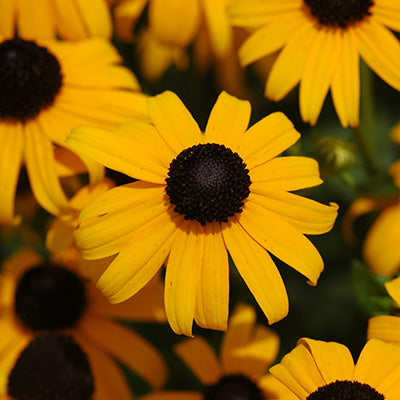
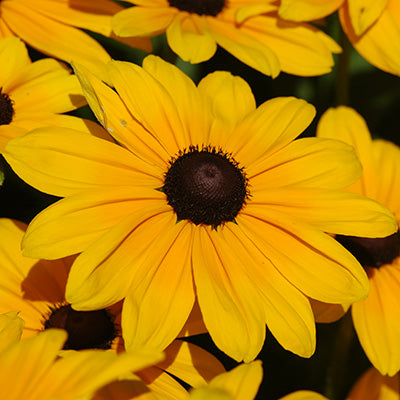
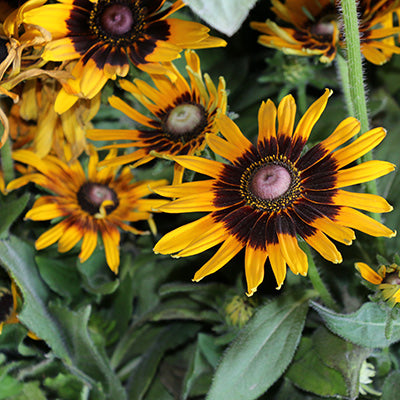
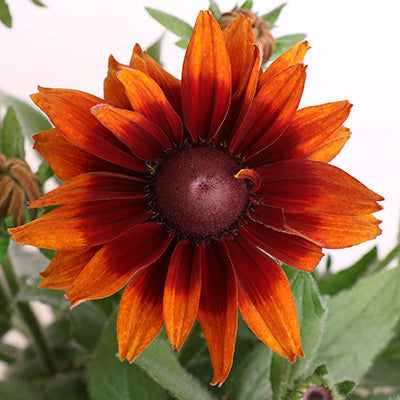
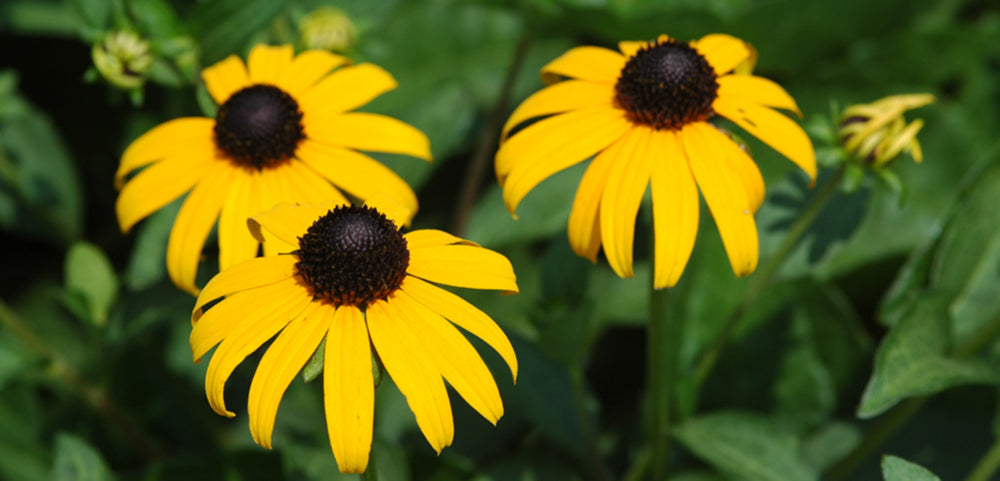
Rudbeckia, commonly called Black-eyed Susan, is a classic perennial flower that shows off bright yellow, gold, or bronze flowers with striking dark brown centers. Black-eyed Susan is an easy-to-grow North American wildflower that's excellent for attracting butterflies, bees, and other pollinating insects. A late-summer bloomer, black-eyed Susan is invaluable for adding lots of bright color to late-summer and autumn gardens. It's also a wonderful cut flower. And if left to form seeds, Black-eyed Susan attracts birds such as finches. Hardy from zones 3-9.
Rudbeckia Questions?
Email us your questions and one of our experts will get back to you!
Rudbeckia Questions?
Email us your questions and one of our experts will get back to you!
Black-Eyed Susan Growing Instructions
Black-eyed Susan grows best in a spot that has full sun and well-drained soil. It tolerates morning shade/afternoon sun, but may not bloom as well and may be more susceptible to diseases that can cause the leaves to develop unsightly dark brown or black spots. Once established, Black-eyed Susan is drought tolerant and quite carefree. In addition to landscape beds and borders, Black-eyed Susan also grows well in container gardens. Remove the faded flower heads as they appear to encourage new waves of bloom throughout the season.Note: Black-eyed Susan is perfect for pollinators, but not intended for human or animal consumption.
-

Water
Moist
-

Light
Outside: Sun
-

Colors
Orange
Red
Yellow
-

Special Features
Attracts butterflies
Super-easy to grow


Complement your Black-Eyed Susan
LiatrisLike black-eyed Susan, liatris is an American native that tolerates heat and drought. Plant them together for an easy care border.
Bee Balm
Roll out the welcome mat for butterflies and bees by planting bee balm and black-eyed Susan together.
Q&A
My black-eyed Susans have black spots on the leaves. What's happening?Several varieties of black-eyed Susan can easily catch a bacterial leaf-spotting disease. To prevent this disease from becoming a problem, remove all spotted leaves before or as they fall from the plant. Don't leave them in the garden over winter; this encourages the disease to spread. Also be sure to give your plants good air circulation -- thin them as necessary to encourage good airflow. Keep the foliage dry as much as you can. Watering with a sprinkler, for example, is more problematic than watering with a soaker hose.