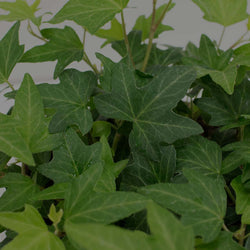
A few older leaves falling gradually can be part of a houseplant's normal winter adjustment. Sudden, heavy, or continuing leaf loss often points to a change in the plant's light, moisture, temperature, root zone, or pest pressure. Before you water, fertilize, repot, or move the plant, look at the evidence and work out the most likely cause.
Here's the idea that organizes everything you’ll read in this blog: winter leaf drop is a symptom, not a diagnosis. Winter often changes several things at once. Days get shorter, heating kicks on, window glass turns cold, and potting mix may stay wet longer than it did in summer. That's why a single fallen leaf can't tell you what's wrong, but a few good observations usually can.

Winter Leaf Drop at a Glance
Use this table as a quick first read. Each pattern may point to a cause, but none of them proves one on its own.
| What you notice | What it may point to | What to check first |
| One older lower leaf drops while the plant otherwise looks healthy | Natural leaf aging | Whether the loss stays isolated |
| Several older or interior leaves drop gradually as winter sets in | Seasonal adjustment | Light, recent changes, and whether the loss slows |
| Yellow, soft leaves with wet potting mix | Roots staying too wet | Moisture below the surface, drainage, and standing water |
| Crispy or curling leaves with dry potting mix | Prolonged dryness | Moisture through the whole root ball |
| Green leaves fall suddenly | Abrupt environmental change | Recent move, cold draft, hot vent, or sudden light change |
| Loss concentrated on one side | Localized stress | Nearby window, door, vent, radiator, or fireplace |
| Spotted, sticky, webbed, or distorted foliage | Possible pests | Leaf undersides, stems, leaf joints, and new growth |
| Leaf drop with soft tissue or a sour or unpleasant smell | Possible stem or root decline | Root-zone moisture and drainage |
Why Do Houseplants Drop Leaves in Winter?
Winter can reduce usable light, change how quickly a plant uses water, lower indoor humidity, and expose the plant to concentrated hot or cold air. A plant may shed leaves when it can't support the same canopy under those new conditions.
Think of it this way: a plant's leaves are solar panels with plumbing attached. They collect light, and they also lose water. Keeping every leaf running costs energy and moisture. When winter cuts the incoming energy or disrupts the water supply, the plant may decide it can't keep every panel online.
For the bigger picture of how fall and winter change the conditions around your plants, see our seasonal-care guide: How to Get Your Plants Ready for Fall and Winter
Is Some Winter Leaf Drop Normal?
Yes. A small number of older, lower leaves dropping gradually is often normal, as long as the rest of the plant stays firm, healthy, and stable.
Ask three quick questions:
- Which leaves are falling? Older, lower ones are less worrying than new, green growth.
- How fast? A slow trickle is different from a sudden shower.
- What else is happening? Soft tissue, pests, an odd smell, or potting mix that's soaking wet or bone-dry changes the picture.
If the loss is slow, limited to older leaves, and nothing else looks off, keep watching. Anything faster, or paired with another warning sign, deserves the checks below.
What Should You Check First When a Plant Drops Leaves?
Work through these in order. Each check rules something in or out, which keeps you from changing five things at once and having no idea which one helped.
1. Check the Potting Mix
Push a finger a couple of inches below the surface, and check more than one spot in a large container. Is the mix dry, lightly moist, wet, or saturated? Is it drying at its usual pace? Then lift the grower pot out of its decorative container and look for water trapped underneath.
Don't like getting your fingers dirty? Slide an unfinished wooden chopstick a few inches into the mix, wait a moment, then pull it out. Mix clinging to the wood means it's still damp down there. A clean, dry chopstick means that layer has dried out. It's low-tech plant detective work, but the evidence sticks.
The leaves are telling you something changed. They aren’t automatically voting for more water.
2. Examine the Dropped Leaves
Pick a few up and look at them. Note the color, whether they feel soft or crispy, and whether you see spots or sticky residue. Notice whether the leaves came from old growth or new, whether they fell gradually or all at once, and whether the loss is on one side of the plant or all over.
Color and texture narrow the possibilities. They don't prove a cause.
3. Identify What Changed
Think back over the last few weeks. Did the plant move? Did the heat just come on? Is it near a cold window or an exterior door? Did the light change? Is the mix drying more slowly than before? Was the plant recently repotted or fertilized?
4. Check Light and Location
Look for stretching, thinning, smaller new growth, or loss on the side of the plant facing away from the light.
The room may still look bright to you. Your eyes are excellent at adjusting. Leaves are much less willing to grade on a curve.
5. Inspect for Pests
Turn leaves over and check the undersides, new growth, the points where leaves meet stems, the stems themselves, the pot rim, and the surface of the mix. Look for fine webbing, sticky residue, pale speckling, waxy clusters, bumps, or the insects themselves.
If you find something, identify it before you treat it, and follow the product label.
6. Check the Stems and the Root Zone
These are the stronger warning signs: a soft stem base, dark or collapsing tissue, a sour smell, a plant that feels loose or unstable, or potting mix that stays wet for an unusually long time. If you see them, head to the rescue guide rather than guessing: How To Fix Overwatering and Root Rot on Your Houseplants
What Can the Dropped Leaves Tell You?
Think of fallen leaves as evidence at a crime scene, except nobody's guilty yet. Each pattern is a clue, and each clue needs a second one to back it up.
Yellow, Soft Leaves
Yellow, soft leaves paired with wet potting mix point toward roots that are sitting in more moisture than they can handle. The same leaves paired with dry potting mix point somewhere else entirely. The leaf alone can't tell you which, so the potting mix has to weigh in.
Learn More: Why Are My Houseplant's Leaves Turning Yellow?
Dry, Crispy, or Curling Leaves
These may go with prolonged dryness, hot air, or low humidity. Check the whole root ball, not just the top layer of potting mix, because a pot can look dry on the surface and stay damp underneath, or the other way around. Crispy edges on leaves also show up alongside other causes, so don't stop at the first match.
Green Leaves Falling Suddenly
A healthy-looking green leaf that drops suddenly often points to an abrupt change, not a slow decline. Think moves, cold exposure, heating vents, or a sudden light change. Still, stressed roots can cause the same pattern, so check the mix and drainage before you decide.
Spotted, Sticky, or Webbed Leaves
These may point to pests, but they can also come from other damage. Look over the rest of the plant before you treat anything, because you want to know what you're dealing with.
Which Winter Conditions Commonly Trigger Leaf Drop?
Winter has a handful of usual suspects. Here's the quick version of each.
Can Low Winter Light Cause Leaf Drop?
Yes. Your plant's spot didn't change, but its light did. Winter brings shorter days and a lower sun angle, so the same window may provide less usable light. If the light check above turned up stretching, thinning, or loss on the darker side, light is your lead suspect.
Learn More: How to Get Your Plants Ready for Fall and Winter
Can Wet Potting Mix Cause Leaf Drop in Winter?
Yes. Slower growth can mean slower drying, so a routine that worked in July can leave roots wetter than they'd like by December. Check the mix before you water, and look more closely at the root zone if it stays soggy.
Can a Dry Root Ball Cause Leaf Drop?
Yes. "Water less in winter" isn't a rule every plant follows, and heating systems and sunny windows can still dry a pot out quickly. Lift the pot: an unusually light one is a clue. Check the whole root ball before you decide whether the plant needs more water or less.
Can Drafts or Heating Vents Cause Leaf Drop?
Yes. Concentrated cold or hot air can stress foliage, sometimes while the leaves are still green. Check cold windows, exterior doors, heating vents, fireplaces, space heaters, and air-conditioning vents in warmer climates.
The plant doesn't know the draft lasts only thirty seconds. It just knows that part of the canopy keeps getting hit by a weather event.
Does Dry Indoor Air Cause Leaf Drop?
It can contribute. Low humidity may lead to crispy edges, curling, and early leaf loss, especially in plants that prefer more humid conditions. Treat it as one possible contributor, not the automatic answer, and rule out light, moisture, and temperature before settling on it.
Can Pests Cause Winter Leaf Drop?
Yes. Warm, dry indoor conditions may favor spider mites, and a small population can multiply before you notice it. A quick scan of leaf undersides now beats a surprise in February.
Why Does My Ficus Drop Leaves in Winter?
Ficus may shed leaves after changes in light, temperature, moisture, or location, and winter often brings several of those changes at once. These are tropical plants that want temperatures to stay above 55°F, and they do best above 60°F, so a cold window or a draft can tip a happy plant into leaf drop.
Think about how far your Ficus has already traveled: from our Miami greenhouses to a store to your home. Every stop is a change of scenery, and a Ficus can treat a change of scenery like a major plot twist.
Start with the basics. Check the potting mix and drainage before you water. Look at nearby windows, doors, and vents, because a heating or cooling vent can strip humidity from the air around the plant as well as blow hot or cold. Compare today's window light with what the plant got in summer. Then give it a stable spot and resist the urge to keep rearranging.

How Do You Stop a Plant From Dropping Leaves in Winter?
You can stop preventable winter leaf drop by finding and correcting the cause, though leaves that were already on their way out may still fall after you fix it.
Once you've found the likely cause, start with the matching move:
| If you find... | Your first move |
| Saturated mix, or water trapped under the grower pot | Hold off on watering, empty the trapped water, and let the mix dry to the level that plant prefers |
| A bone-dry root ball | Water slowly, in more than one pass, so the mix has time to soak in, then let the excess drain |
| A cold or hot airstream hitting the plant | Move it out of the path of the window, door, or vent |
| Stretching, thinning, or loss on the darker side | Move it closer to a bright window, rotate the plant weekly, or add a plant light |
| Active pests | Identify the pest before treating, keep the plant away from other plants, and follow the product label on the treatment |
| Soft stems, a sour smell, or an unstable plant | Check the root-zone warning signs and follow the Root Rot Rescue guide |
Stabilize and monitor when:
- The loss followed a move
- Only a few older leaves are falling
- The plant is otherwise firm and healthy
- You've already corrected the location problem
- The loss is slowing
Correct the most likely cause, change one thing at a time, and give the plant time to respond. A plant can't read your intentions. It can only respond to the conditions around it.
Should You Fertilize or Repot a Plant That's Dropping Leaves?
Not automatically. Fertilizer can't correct poor light, root damage, incorrect moisture, pests, or temperature stress, and repotting adds yet another change to a plant that's already coping with one.
Here's an easy way to remember it: light is breakfast for the plant, and fertilizer is a multivitamin. A multivitamin can't replace a missing meal.
If the roots are the problem, the rescue guide explains when repotting makes sense and how to do it: How to Save Fix Overwatering and Root Rot on Your Houseplant
What Do You Do With the Fallen Leaves?
Read them first. Color, texture, spots, and which part of the plant they came from have already told you a lot, so look before you sweep.
Then clear them off the top of the potting mix, where they can hold moisture and give pests a place to hide. For which leaves to take off the plant and which to leave alone, the yellow-leaf guide has the details: Why Are My Houseplant's Leaves Turning Yellow?
What Does Recovery Look Like After Heavy Winter Leaf Drop?
Recovery may start with the leaf loss slowing or stopping, not with new growth. If the stems stay firm, decay isn't spreading, and the plant's conditions have settled, it may still be viable even while winter keeps visible growth slow.
Watch the pace, not the calendar:
- Fewer leaves fall each week
- No new bare stems or soft spots appear
- The plant stays stable once you've corrected the likely cause
Winter adds a wait. Growth slows with the season, so a plant may sit quietly until stronger light returns before it shows anything new. There's no reliable timeline here, so patience matters.
A bare stem isn't automatically a dead stem. Before staging a funeral, check the stems. Firm ones that aren't shriveled or mushy are a good sign.

How Can You Help Prevent Winter Leaf Drop?
- Reassess window light as days shorten.
- Check the potting mix before you water.
- Empty saucers and decorative containers of standing water.
- Keep plants out of concentrated hot and cold drafts.
- Inspect for pests periodically.
- Avoid unnecessary repotting during seasonal adjustment.
- Base fertilizer on healthy, active growth. No active growth? No fertilizer.
- Make environmental changes gradually.
For the full seasonal routine, see our seasonal-care guide: How to Get Your Plants Ready for Fall and Winter
Stop the Drop by Finding the Cause
Fallen leaves make a mess, but they also leave clues. Check the potting mix, examine the leaves, inspect the plant, and think about what changed before you attempt a fix.
Winter leaf drop is often a plant adjusting to shorter days, drier air, and a few drafts it didn't ask for. Sometimes the answer is better light or a more thoughtful watering rhythm. Sometimes it's moving the plant three feet away from a vent. And sometimes the roots or pests need a closer look.
The goal isn't to stop every old leaf from falling. It's to tell when the plant needs patience and when it needs you to step in.
Find your plant's light and moisture needs with the Plant Finder. Costa Farms Plant Finder
Frequently Asked Questions
How Can I Tell if Winter Leaf Drop Is Normal?
A few older leaves falling gradually, with the rest of the plant staying firm and healthy, is often part of winter adjustment. To tell the difference, check which leaves are falling, how fast, and whether anything else looks off. Take a closer look when the loss is rapid, hits new growth, or comes with soft stems, pests, an odd smell, or potting mix that's very wet or bone-dry.
Why Is My Plant Dropping Green Leaves?
Green leaves may fall after an abrupt change rather than a slow decline. A recent move, a blast from a cold window or heating vent, or a sudden shift in light can all trigger it. Think back over the last couple of weeks, then stabilize the plant in suitable conditions. Check the potting mix and drainage too, since stressed roots can't always support the foliage they had.
Should I Water a Plant That's Dropping Leaves?
Check the potting mix before you water. Leaf drop can come from roots sitting too wet or from a root ball that's dried out, and adding water without checking can make the real problem worse. Feel below the surface, lift the grower pot to look for trapped water, and water only when the mix has reached the moisture level that plant prefers.
How Do I Know if Winter Leaf Drop Is Caused by Overwatering?
In winter, lower light and slower growth can keep potting mix wet longer than it stayed in summer, so a routine that worked then can start to drown roots. Suspect overwatering when leaves are yellow or soft, water is trapped under the grower pot, or the plant has soft stems or a sour smell. Judge moisture, drainage, stems, and roots together, not leaf drop alone.
Can a Cold Draft or Heating Vent Make a Plant Drop Leaves?
Yes. A concentrated stream of cold or hot air can stress foliage, and leaves sometimes fall while they're still green. Check for cold window glass, exterior doors, heating vents, fireplaces, and space heaters, especially if the loss is mostly on one side of the plant. Move the plant out of the airstream, then give it stable conditions and watch whether the loss slows.