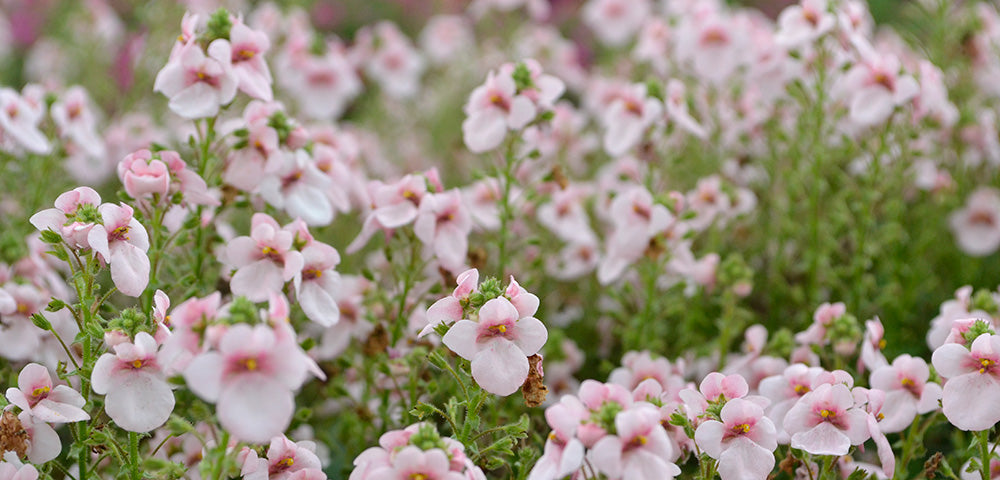
Diascia (Diascia spp.)
Diascia Plant Features
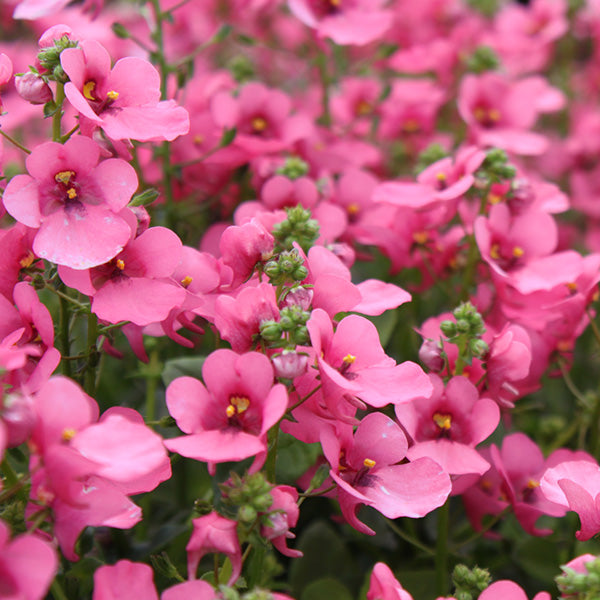
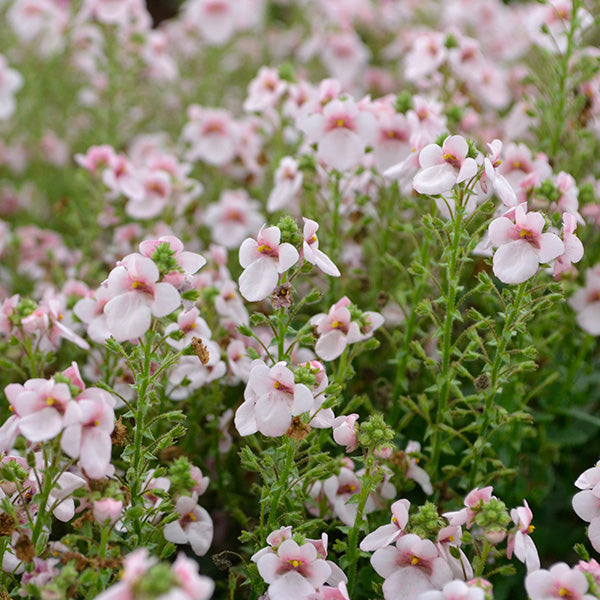
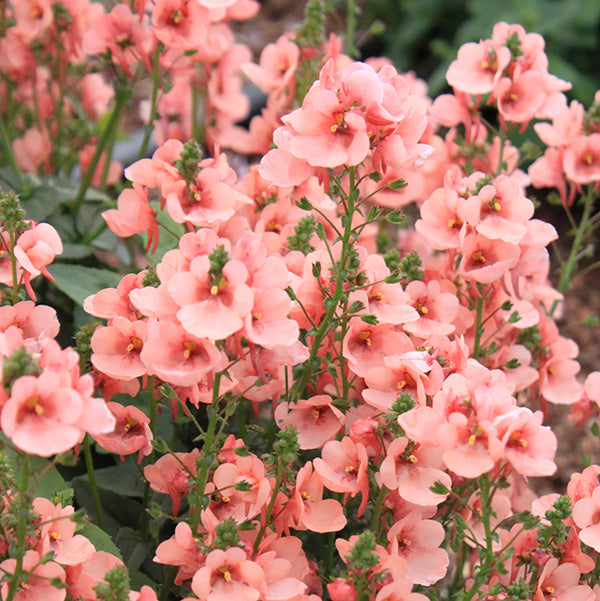
Diascia, sometimes called twinspur, is loved for its profuse display of springtime blooms in a range of candy-like colors, including pink, lavender, coral, orange, and white. A small, mounding plant, it's fabulous in the front of garden beds and borders where it adds a full, frothy look when paired with other plants like begonias, dianthus,and salvias, Diascia looks good on its own or planted en masse.
This charming flower is also a top choice for container gardens and hanging baskets where it can be grown by itself or mixed with other container plants like dusty miller, nemesia, and osteospermum.
This charming flower is also a top choice for container gardens and hanging baskets where it can be grown by itself or mixed with other container plants like dusty miller, nemesia, and osteospermum.
In most areas, diascia will slow down or stop blooming once hot summer weather arrives, but in areas with cool summers, you can count on it to bloom all the way to frost. And in mild-winter areas (Zones 8-10) with mild summers, you can grow diascia as a perennial.
Light: Grow diascia in full sun or part shade.
Water: In garden beds and borders, water diascia when the top inch or so of the soil starts to dry out. Spreading a layer of mulch over the ground can help keep the roots cooler and more moist, helping the plant to last longer. In containers, water diascia when the top inch of the potting mix dries.
Pruning: Diascia typically doesn't require pruning or deadheading, though if the plant gets too large, you can give it a quick trim at any time to keep it sized just right.
Fertilizing: Diasica grows best in average or fertile soil. Amend heavy clay or sandy soil with compost or other forms of organic matter at planting time. In containers, feed regularly with a general-purpose fertilizer or use a timed-release fertilizer when you first plant it.
Diascia is not intended for human or animal consumption.
-

Water
Medium water needs
-

Light
Outside: Sun
-

Colors
Orange
Pink
Purple
Red
White
-

Special Features
Attracts butterflies


Complement your Plant
Osteospermum
Contrast osteospermum's big bold flowers with diascia's soft, airy look.Nemesia
Another favorite for the cool season, nemesia has the same soft appeal as diascia.Viola, Annual
Violas and diascia are no-fail springtime companions for beds, borders, and containers!