One of my favorite things about gardening is that eventually the garden stops being just yours.
You plant a few flowers for color, and before long butterflies are floating through the beds. Bees begin working the blooms from sunrise to sunset. Hummingbirds dart in for a quick meal before disappearing just as fast as they arrived.
Suddenly, your garden isn't just a collection of plants—it's a destination.

June is National Pollinator Month, making it the perfect time to celebrate the bees, butterflies, hummingbirds, bats, moths, and other pollinators that help keep our ecosystems thriving and to plant with purpose.
One of the easiest ways to support pollinators is by growing plants that provide nectar, pollen, shelter, and habitat throughout the growing season. Whether you have a large landscape, a backyard garden, or a collection of patio containers, pollinator-friendly plants can help transform your outdoor space into a welcoming destination for beneficial wildlife.
What Is a Pollinator?
A pollinator is any animal that helps move pollen from one flower to another, allowing plants to reproduce. While bees often get the most attention, they're far from the only pollinators at work in the garden.

Common pollinators include:
- Bees
- Butterflies
- Hummingbirds
- Moths
- Beetles
- Wasps
- Bats
- And others

Why Do Pollinators Matter?
Pollinators aren’t just nice to have—they’re essential. Without them, many of the foods we rely on wouldn’t exist. They play a critical role in producing many of the foods we eat and helping flowering plants reproduce.
Many fruits, vegetables, nuts, herbs, and seed crops depend on pollinators to transfer pollen from one flower to another. Apples, blueberries, squash, melons, and almonds are just a few examples of crops that benefit from pollinator activity.
Beyond food production, pollinators help maintain healthy ecosystems by supporting plant diversity and wildlife habitats. As they move from bloom to bloom in search of nectar and pollen, they help countless species of flowering plants produce seeds and future generations of growth.
Whether in a backyard garden, a local park, or a working farm, pollinators help sustain the landscapes and food systems we all depend on every day.
Why Do Pollinators Need Our Help?
Pollinators face increasing challenges from habitat loss, development, pesticide exposure, and shifting weather patterns. The good news is that home gardeners can be part of the solution. Every flowering container, garden bed, and landscape planting can provide food and shelter that helps support pollinator populations.
How to Create a Pollinator-Friendly Garden
Pollinators need more than just flowers. The most successful pollinator gardens provide a combination of food, water, shelter, and a safe environment.
An Easy Place to Start
If you’re looking for an easy place to start, these plants are known for attracting pollinators and, together, can provide blooms from early in the growing season through fall:
Here are a few ways to make your garden more welcoming:

Plant a Variety of Flowers
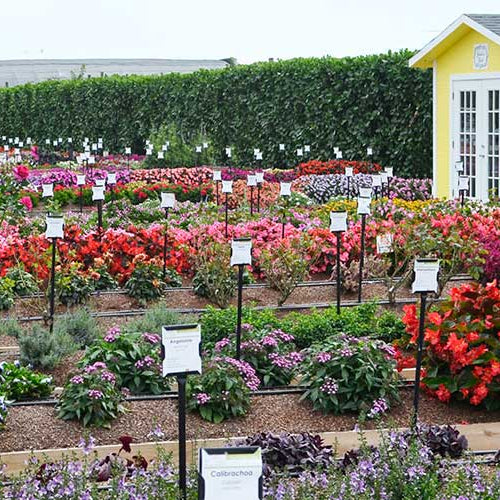
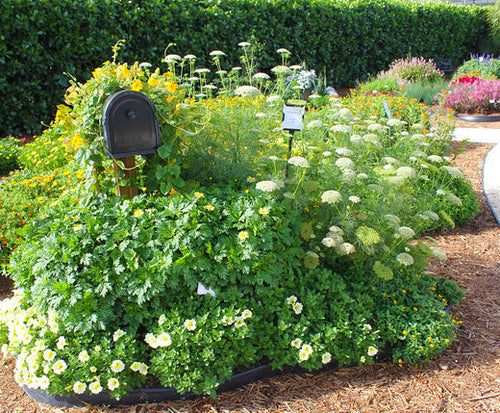
Different pollinators prefer different flower shapes, sizes, and colors. Growing a diverse mix of plants helps attract a wider range of visitors.
Choose Plants with Staggered Bloom Times
Aim to have something flowering from spring through fall. A continuous source of nectar and pollen helps support pollinators throughout the season.
Plant in Groups
Large drifts or clusters of the same plant are easier for pollinators to spot than individual plants scattered throughout the landscape.

Provide Water
A shallow dish of water, birdbath, or small water feature can provide an important resource during hot weather.
Reduce Pesticide Use
Broad-spectrum pesticides can harm beneficial insects along with garden pests. Consider using pollinator-friendly gardening practices whenever possible.
Leave a Little Wildness
Pollinators often use leaf litter, hollow stems, shrubs, and other natural features for shelter and nesting sites. Leaving a few areas of the garden less manicured can provide valuable habitat.
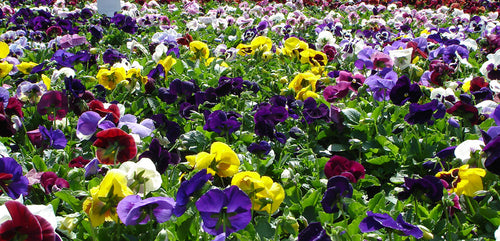
Many pollinators are especially attracted to flowers in shades of purple, pink, red, orange, and yellow. Including a diversity of flower shapes and sizes can help attract a wider range of species, from butterflies and bees to hummingbirds and other beneficial wildlife.
Great Plants for Pollinators
The best pollinator gardens combine a variety of plants that bloom over an extended season. These garden favorites provide nectar, pollen, or habitat for butterflies, bees, hummingbirds, and other beneficial visitors.
Perennials for Pollinators
These long-lived garden favorites return year after year and provide reliable sources of nectar and pollen.
- Coneflower (Echinacea)
- Coreopsis
- Blanket Flower (Gaillardia)
- Bee Balm (Monarda)
- Penstemon
- Salvia
- Yarrow (Achillea)
- Aster
- Scabiosa (Pincushion Flower)

Annuals and Tender Perennials for Season-Long Color
These plants bloom continuously through the warm months, providing a steady food source for pollinators.

Shrubs that Support Pollinators
That Support Pollinators Flowering shrubs provide large amounts of nectar while also offering shelter and nesting opportunities.
- Buttonbush (Cephalanthus occidentalis)
- Abelia
- Rose of Sharon (Hibiscus syriacus)
- Bluebeard (Caryopteris)
- Texas Sage (Leucophyllum)
- Firebush (Hamelia patens)
- Bottlebrush (Callistemon)
Trees for Pollinators
Trees are often overlooked in pollinator gardens, but they can provide tremendous resources for bees, butterflies, and other wildlife.
Essential Host Plants
Nectar plants feed adult pollinators, but host plants support the next generation by providing places for butterflies and moths to lay their eggs.
- Milkweed (Monarch butterflies)
- Parsley, Dill, Fennel (Black Swallowtails)
- Passionflower Vine (Gulf Fritillaries)
- Pipevine (Pipevine Swallowtails)
- Native Grasses (many skipper butterflies)

Vines Pollinators Love
Vertical-growing plants can add valuable nectar sources while taking up minimal space.

Keep the Blooms Going All Season Long
One of the most common mistakes garden creators make is building a pollinator buffet that only lasts a few weeks. The most successful pollinator gardens provide blooms from early spring through fall, ensuring butterflies, bees, hummingbirds, and other pollinators always have a reliable source of food.
Spring Pollinator Plants
These provide some of the first nectar and pollen sources of the year.
Summer Pollinator Plants
The heart of pollinator season.
- Lantana
- Pentas
- Bee Balm
- Coneflower
- Blanket Flower
- Milkweed
- Buttonbush
- Salvia
- Firebush
- Bottlebrush
- Rose of Sharon

Late Summer & Fall Pollinator Plants
Often the most overlooked category, but critical because many pollinators are preparing for migration or overwintering.
Plants That Bloom Nearly All Season
These deserve their own callout because they're workhorses:
Pollinator Gardening in Small Spaces
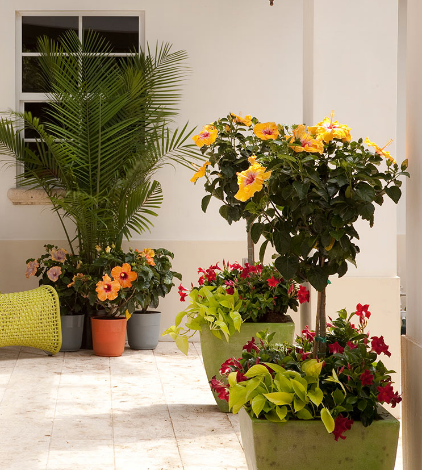
You don't need a large landscape to support pollinators. Containers, raised beds, balconies, and patios can all become valuable pollinator habitats.
Choose a few nectar-rich flowering plants, group them together, and provide a nearby water source. Even a small collection of pollinator-friendly plants can create an inviting stop for wildlife moving through urban and suburban areas.

Simple Ways to Celebrate National Pollinator Month
Looking for an easy way to participate this June? Try one or more of these pollinator-friendly activities:
- Add a pollinator-friendly plant to your garden.
- Create a container garden filled with nectar-rich flowers.
- Reduce or eliminate pesticide use in pollinator areas.
- Add a shallow water source for visiting wildlife.
- Leave seed heads and spent flowers for birds and beneficial insects.
- Share pollinator-friendly plants with friends and neighbors.
Every Garden Can Make a Difference
National Pollinator Month is a reminder that even small gardens can have a meaningful impact. By growing pollinator-friendly plants and creating welcoming outdoor spaces, gardeners can help support butterflies, bees, hummingbirds, and other beneficial wildlife while enjoying a more colorful and vibrant landscape.
Whether you're planting a single container or redesigning an entire garden bed, every pollinator-friendly plant helps create a healthier environment for the creatures that keep our gardens growing.

The reward for planting a pollinator garden isn't just helping wildlife—it's getting a front-row seat to nature. A patch of lantana, a pot of pentas, or a bed filled with coneflowers can quickly become one of the busiest places in your yard. As butterflies drift from bloom to bloom, bees go about their work, and hummingbirds stop in for a visit, you'll discover that some of the most rewarding moments in gardening aren't created by the plants themselves, but by the life they attract.